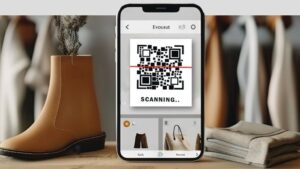
 In order to create unique web identities or digital tags for at least 10 billion pieces of clothing and footwear, packaging, labelling and RFID solutions giant Avery Dennison Retail Branding and Information Solutions (RBIS) has recently tied up with IoT-Smart products platform provider EVRYTHNG in the world’s largest Internet of Things (IoT) deal to get the apparel and footwear industry online.
They will together, within a period of three years, give a unique, digitised life to at least 10 billion clothing and footwear products, branded by some of the world’s biggest fashion and performance labels. These products would now have unique digital identities and data profiles on the cloud.
In what the two firms believe is an one-of-its-kind deal, a large number of products — as large as 10 billion — would be connected to IoT, or in effect the consumers’ smartphones, with the help of Evrythng-powered Janela “smart products” platform.
“This is probably the biggest deal the [Internet of things] industry has had,” Niall Murphy, the CEO of Cisco and Samsung-backed Evrythng, told Fortune. “It’s a programme we’ve been working on for quite a long time.”
Avery Dennison that provides basic individual identities to millions of products for supply-chain purposes, will, under this new arrangement, create opportunities for varied interactions between consumers and the products.
With consumers becoming more dependent on smartphones, they prefer the digital mode to communicate with the brands. The Janela™ Smart Products Platform offers the clothing and footwear industry a wide spectrum of possibilities. Aided by EVRYTHNG’s digital identity and data management capabilities, Avery Dennison can now enable products to be digitised at the time of manufacturing.
This unique partnership between a healthy network and knowledge of the apparel space along with world-class manufacturing, and IoT technology for digital identity and data management, would, for the first time, digitise everyday items like clothes and accessories, and footwear products on a truly industrial scale. Products will now be able to interact with smartphones to trigger applications and services that connect more intelligently with consumers and brands will become more interactive, providing personalised, real-time content for each individual consumer and each item of clothing or footwear.
In more simpler terms, a consumer can now check the authenticity or manufacturing history of a shirt he just bought, take part in various after-sales loyalty schemes or recycling programmes, connect with third-party applications, see exclusive smartphone content, or even re-order products he likes. A retailer, meanwhile, can also use the items’ identities for things like detecting fraudulently returned products.
“In the past, when we look at some of the technologies – QR codes and so forth, they were more for generic interactions,” Mitchell Butier, CEO of Avery Dennison, told Fortune. “Consumers want a more personal relationship – they want to have product suggestions from the retailer based on what they personally want.”