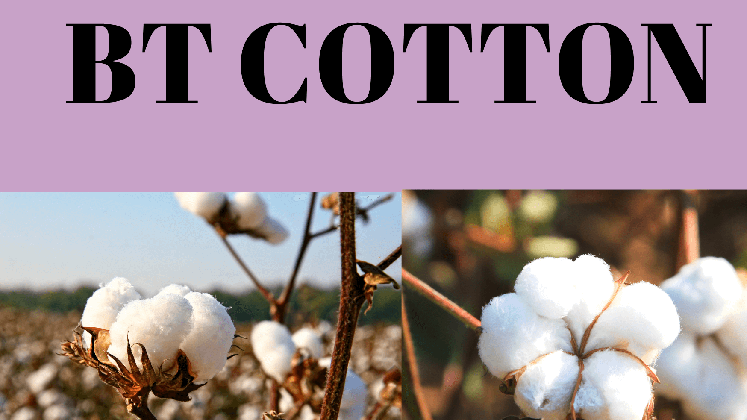
In a significant move towards achieving self-sufficiency and boosting domestic production, Bangladesh has unveiled two genetically modified (GM) cotton varieties designed for local cultivation.
The primary objectives are to increase cotton yields and reduce dependency on cotton imports even if these GM cotton strains incorporate genetic traits borrowed from Bacillus thuringiensis (Bt), a soil-dwelling bacterium known for its effective combat against the bollworm caterpillar, a notorious cotton yield pest.
This marks the second instance of genetically modified crops being introduced in Bangladesh even as the country ventured into GM crop cultivation in 2014 by introducing Bt brinjal, which became the first GM food crop in South Asia.
Agriculture Minister Muhammad Abdur Razzaque, speaking at a seminar held at the Cotton Development Board in Dhaka recently disclosed that by locally cultivating Bt and hybrid cotton varieties, Bangladesh could potentially fulfill at least 20 per cent of its cotton demand, equivalent to approximately 1.5 million bales.
Currently, Bangladesh requires around 1.6 million bales of cotton for domestic consumption.
However, the textile industry, driven by export-oriented garment factories, demands an additional 8.5 million bales of cotton, while local growers can only supply a mere 200,000 bales even if to bridge this massive gap, Bangladesh has been importing cotton from various countries such as India, Pakistan, Brazil, Australia, Argentina, South Africa, and central Asian nations, incurring an annual cost of approximately Taka 33,000 crore.