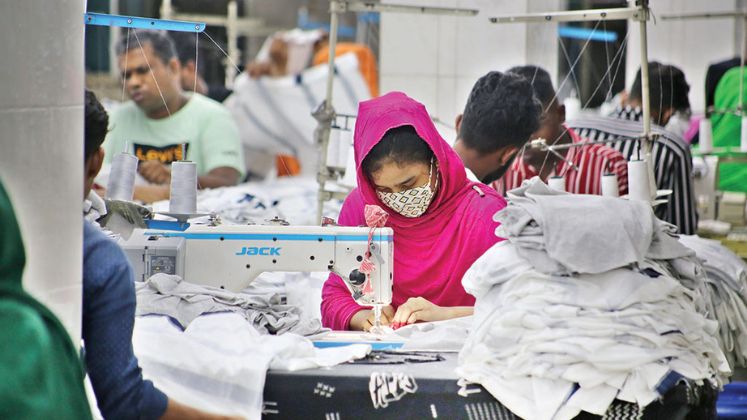
Implementing responsible purchasing practices by fashion companies is imperative to support worker rights and ensure fair compensation, including living wages for all, according to a report released by Global Fashion Agenda, a Copenhagen-based non-profit organisation.
The GFA has identified five critical chances for fashion executives and the sector as a whole to make revolutionary effects for people and the environment in the research titled “Fashion CEO Agenda 2024.”
The report, which was released by the GFA, aims to direct fashion groups towards the achievement of a net positive sector by 2050.
The special version of the study has been produced by Global Fashion Agenda in honour of the 15th anniversary of the first Global Fashion Summit in Copenhagen.
The report noted that the long-term sustainability and prosperity of the fashion business depend on acknowledging the needs and rights of the 300 million people who work in it worldwide.
The report also underlined the need to put in place tangible steps that guarantee justice, just remuneration, each worker’s well-being, and their dignity.
Additionally, it made it imperative to support worker rights and representation, including collective bargaining and freedom of association, particularly in times of crisis.
‘Simultaneously implementing responsible purchasing practices is imperative to foster conditions conducive to upholding worker rights and enabling fair compensation, including the payment of living wages to all,’ the report said.
This special edition focused on five cross-cutting opportunities that aim to push the boundaries of progress on the five priorities of the Fashion CEO Agenda: resource stewardship, smart material choices, circular systems, respectful and safe work environments, and better wage systems.
According to the research, achieving fundamental transformation requires defending workers’ rights, promoting diversity and inclusivity, redefining success criteria, and changing development paradigms.
The Fashion CEO Agenda also said that despite providing employment for millions of people, bolstering economies, and making considerable improvements in occupational health and safety in many workplaces, the industry still faced significant challenges, particularly in low-wage countries where workers lacked adequate protection.
According to the research, sustainability can have a significant influence on business practices when it is appropriately operationalized as a crucial component of operations and support services.
The paper states that when implementing a circular system, businesses should take into account the effects on waste handlers who are new to the fashion value chain as well as current garment workers.
Likewise, it stated that the sector must carefully evaluate how nature protection initiatives affect local populations and indigenous peoples.