Every New Year brings along a wave of new influences and concepts. While some mature to impact lifestyles and economies strongly, the others die a natural death. Keeping a tab on a few such emerging concepts for the past few seasons, Team AO has compiled a list of five global terms that are freshly coined, and going on to become popular theories affecting businesses across platforms. Update your expert dictionary with these must-know terms of 2014…
MINT Countries
Coined by the former Goldman Sachs economist Jim O’Neill, who is also responsible for inventing the term BRIC (an acronym for Brazil, Russia, India and China) in the past – is now a new term MINT Countries. The concept refers to Mexico, Indonesia, Nigeria and Turkey, based on O’Neill’s most recent premise that these will be the next economic powerhouses. After the well-defined success of the BRIC countries together over the past decade, now the MINT’s have been grouped together because of their large populations, favourable demographics and emerging economies, which are all expected to show strong growth and provide high returns for investors over the coming decade.
While Mexico borders the US and links it to the rest of Latin America, Indonesia is in the heart of South-East Asia, Nigeria is close to some thriving African countries, while Turkey spans Europe, Central Asia and the Middle East. As global trade patterns develop, the MINTs are well placed to take advantage. Also as Chinese exports become more expensive due to rising wages, an appreciating currency and an economy increasingly geared towards domestic consumption, it is only a matter of time that goods will be increasingly manufactured in MINT.
But even though there is an ongoing debate on the concept’s future potential, there are also certain barriers to be watched out for, such as poor levels of education, especially in Indonesia and Nigeria; poor infrastructure; and also ability of MINT to withstand financial crises. With Turkey being declared as the weakest link amongst all the four, the MINT countries are surely a hot topic of interest, a trend to be eyed on constantly.
SPRONOSEXUAL
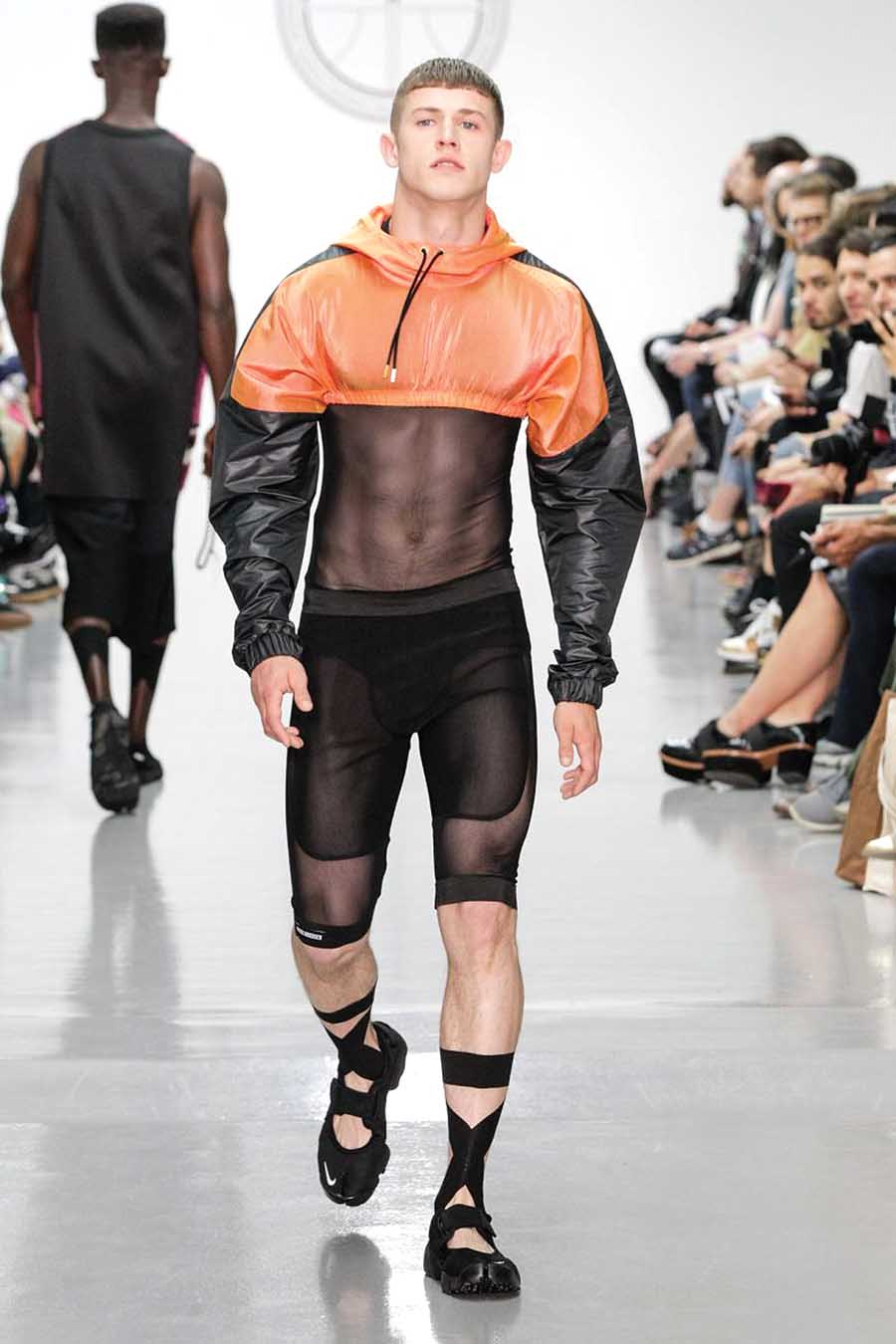
20 years ago, journalist Mark Simpson coined the term ‘metrosexual’, a single young man with a high disposable income, living or working in a metropolitan city, and declared as the most promising consumer market of the decade. Two decades after, Simpson has now defined ‘Spronosexual’ as the new metrosexual – a generation of men who are even more extreme, body, image and styled-obsessed version of the metrosexual.
Originating from the combination of “sport” and “porn”, a Spronosexual can be found at the gym, often with muscle-enhancing tattoos, piercings and plunging V-neck necklines, or no shirt at all. He prefers to spend his time and money on his physical upkeep. And as Simpson himself explains, “eagerly self-objectifying, second generation metro sexuality is totally tarty. They want to be wanted for their bodies, not their wardrobe. And certainly not their minds.”
SMART MACHINES
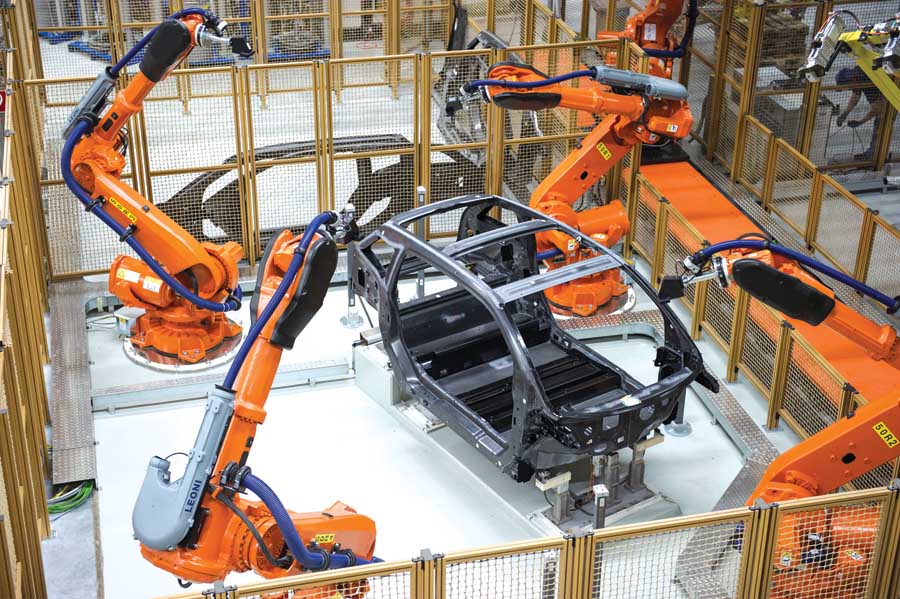
Projected as the changing future of the IT industry, in most general terms, a smart machine is an intelligent device that uses machine-to-machine (M2M) technology. Including robots, self-driving cars and other cognitive computing systems that are able to make decisions and solve problems without human intervention, the growing impact of smart machines is being critically discussed across platforms and amongst business leaders today.
As stated in the recent report by Gartner Research, the anxiety about automation of the work world and the advent of smart machines will have a widespread and deep business impact by 2020. According to Gartner, CEOs underestimate how fast smart machines will take millions of middle-class jobs in the coming decades. Kenneth Brant, research director at Gartner, said in a statement that the pace of “job destruction” will happen faster than the ability to create new ones. The difference is coming as machines evolve from automated tasks to more advanced self-learning systems that are as capable of doing very specialized jobs, and IT will feel the pain as there won’t be the need to do much of the manual work that technicians perform today. As debated by many, what may seem like a fantasy at this moment, will in time be the way “things” will actually work in the coming years.
We are now moving greatly towards an appreciation of slow, and designers all over the world are adopting the idea to create new meaningful product. Forming the basis of many future forecasts, the movement is definitely a trend to watch out for, greatly impacting the future of businesses in many ways.
NORMCORE
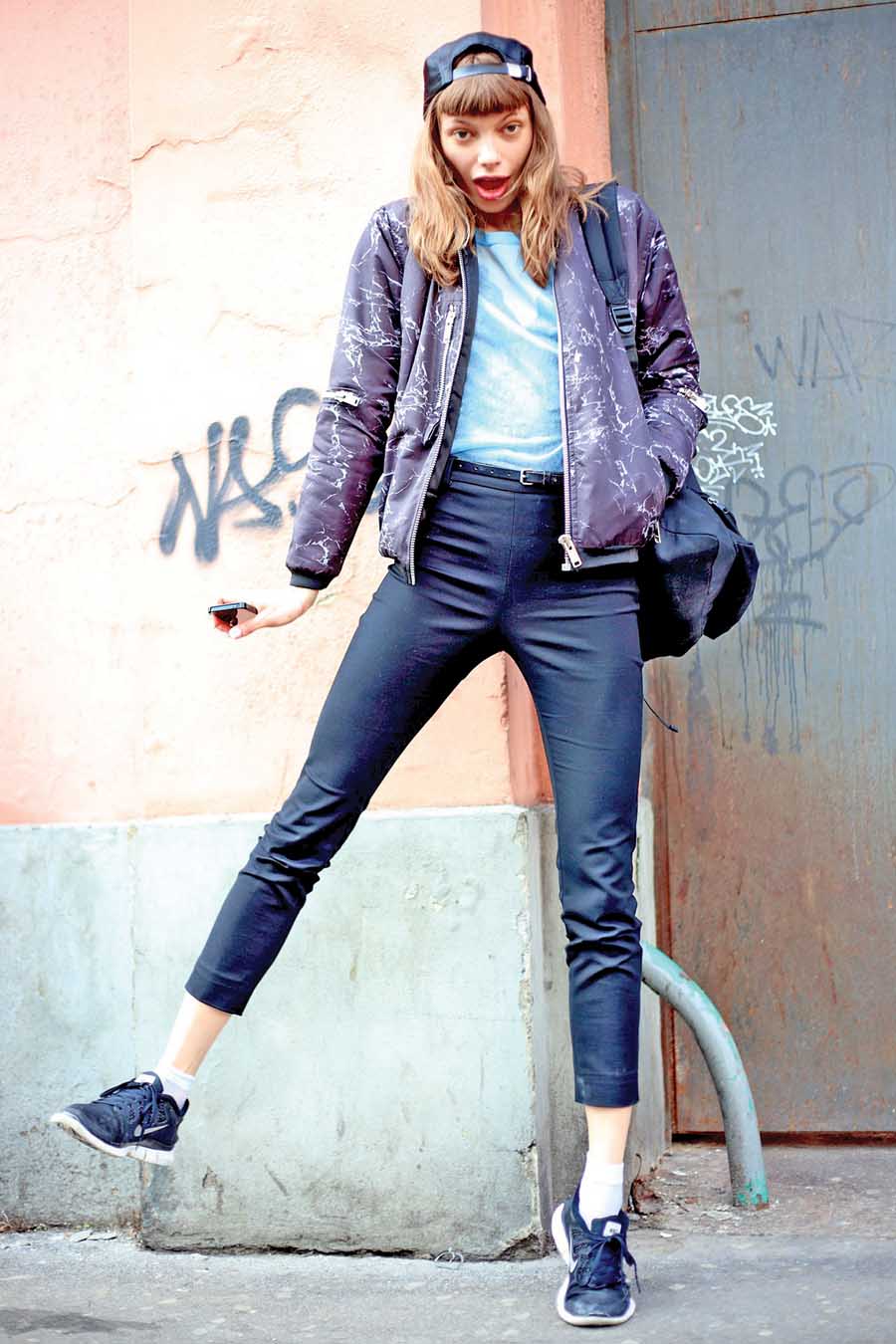
The newest fashion craze and unisex trend, Normcore combining the words “normal” and “hardcore”, is characterized by a look made from unpretentious, average-looking clothing. Interpreted as a reaction to a fashion oversaturation from fast-changing fashion trends, the term is currently the talk of the fashion streets, defining a class of people who are slowly rejecting being too fashionable to get back to a more laidback era of the 1990’s with stonewashed jeans, big white sneakers, ill-fitting baseball caps, turtlenecks, fleece jackets and the socks-with-sandals look.
Spotted in various fashion magazines and already having a series of collections dedicated to target the Normcore, the trend is a hit in the retail markets, but the origin of the term has a rather deeper meaning, more to do with social lifestyles and human behaviour. K-Hole, the New York trend forecasting agency that coined the term, states that Normcore was originally more to do with personalities. It emerges from the idea that an individual adapts to a situation at hand, and embraces the normalcy of where they are and who they’re with. So you could go to a football match during the day and wear a replica football strip like everyone else, and then go to a cyberpunk night later on and wear head-to-toe Cyber dog. Normcore represents a fluidity of identity that’s emerging in youth culture: a willingness to forgo a consistent individuality in order to embrace acceptance. This very adaptability of a Normcore has spread like wildfire to the fashion world, giving birth to what is today, a viral fashion trend in the recent times.

SLOW MOVEMENT
The Slow Movement is a term describing a wide range of efforts taking place around the world that seek to connect us more meaningfully with others, with place, and with ourselves. Making a strong comeback once again in recent times, the concept has emerged as an effort to counteract the fast–paced, commodity – focused, unbalanced, and impersonal nature of much of modern human culture.
As a reaction to fast food, we today have the Slow Food movement to promote the use of fresh local foods, grown with sustainable farming techniques. From hyperactive travel, we now have Slow Travel which advocates enjoying the journey, experiencing regional flavour, and restoring your mind and body.
Similarly, slow design is all about giving importance to designing for quality of life, and differs significantly from conventional design in several ways. We are now moving greatly towards an appreciation of slow, and designers all over the world are adopting the idea to create new meaningful products. Forming the basis of many future forecasts, the movement is definitely a trend to watch out for, greatly impacting the future of businesses in many ways.