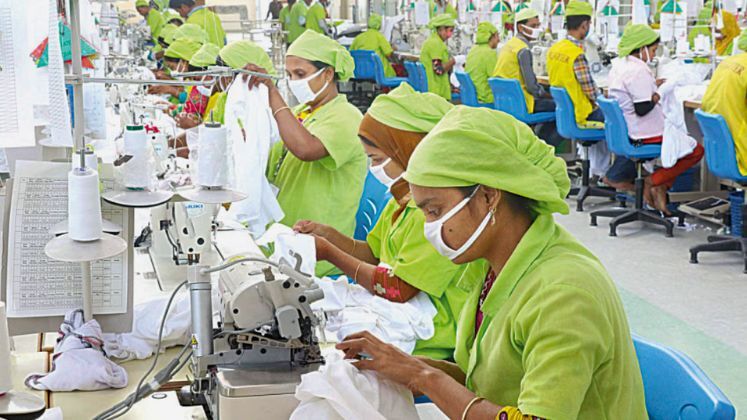
A recent study has found that an overwhelming 98.7 per cent of garment workers in Bangladesh have opted out of a state-sponsored universal pension scheme (UPS), primarily due to financial constraints and a lack of awareness. The study, conducted by the Netherlands-based Mondiaal FNV, surveyed 200 garment workers across various areas in Dhaka, including Jatrabari, Demra, and Gulshan.
Md Manirul Islam, Deputy Director of Research at the Bangladesh Institute of Labour Studies, presented the findings during a discussion at Shrom Bhaban in Dhaka. The study highlighted several key reasons for the low participation rate, including the high premiums required for the Progoti scheme, which is designed for private sector employees and employers. Many workers expressed concerns over the necessity of making consistent premium payments for ten consecutive years without any income protection.
The research identified that 64.7 per cent of garment workers lack the financial capacity to pay the monthly premium, while 75.3 per cent are unaware of the UPS. Additionally, 61.3 per cent of workers indicated disinterest in the scheme, citing job insecurity as a significant deterrent. Other factors contributing to non-participation include fears of job loss, factory lay-offs, and various workplace hazards such as injuries and fires.
The study also pointed to inadequate social protection measures, including the absence of pensions, provident funds, and limited education allowances, as contributing factors to the workers’ reluctance to join the UPS. Despite the establishment of a central fund by the Bangladesh Labour Welfare Foundation for worker welfare, the process to access these benefits remains complex.
To address these challenges, the study recommended several changes, including reducing premium amounts, making participation mandatory, and ensuring employer contributions. Approximately 30 per cent of respondents suggested that the government should provide subsidies to encourage participation. Other recommendations included allowing withdrawals and loan facilities during financial crises, temporarily suspending contributions during emergencies, and enabling workers to change jobs while retaining their pension status.
Furthermore, the study proposed that RMG workers who have served the industry for a minimum of five years should be entitled to free medical services at government hospitals. Raising awareness and educating workers about the UPS was also emphasized as a critical step in building trust and encouraging participation.
The findings underscore the urgent need for reforms to enhance the social protection framework for garment workers in Bangladesh, ensuring they have access to essential benefits that can provide security in times of need.