Sustainability is something that every fashion brand is incorporating into their product lines and business model nowadays. This buzz word is encouraging them to cut down, consume less, and become more conscious of the materials that they use in their supply chain and become more environment-friendly brands. However, sustainability comes with certain challenges, and the high cost of apparel products is one of them which is restricting manufacturers in Bangladesh to get their hands into manufacturing of such products. “Why should a sustainable garment be not affordable to produce?” asks Dolly Thay, Managing Director, Cloths “R” Us Ltd, a Bangladeshi born and brought up, seasoned textile professional, who not only points out the problems but also gives on-point solution to the pricing challenge for sustainable fashion.
This is true that sustainable fashion is expensive and until there is a clear understanding between buyers (retail side) and suppliers (manufacturing side) on why such garments have extreme prices and what makes a garment sustainable, no solution can work! According to Dolly, a sustainable apparel product line should consist of two key parameters – ethically sourced fabrics and ethical production process, while taking the economic consequences into account. “There is still a massive gap in understanding of sustainability between a brand/retailer and a manufacturer, but when broken down, it’s a clear concept for making the fashion industry an eco-friendly industry,” explains Dolly.
Another area where Dolly emphasises a lot is pollution created by the fashion industry. However talks are being done globally, the fact cannot be denied that it is still one of the most pollutant industries as more than 80 billion pieces of clothing are produced every year which causes around 20 per cent of overall wastewater produced globally along with harmful and toxic chemicals. Not just water and chemical waste, the workers who churn out garments day in and day out are exploited and don’t generally get the wages they deserve. “Clothing brands come up with new styles every season and a large quantity of this goes unsold every year. These clothes are usually cheaper and of lesser quality, resulting in a short lifespan, eventually producing more waste,” asserts Dolly touching upon almost every aspect of a sustainable clothing industry right from retailer’s perspective to manufacturer’s perspective.
Here is how the void can be filled

A garment factory has to implement all kinds of compliances in order to add a good fashion brand in its clientele. This compliance incurs a cost for which no brand is paying any sort of money to them. Apart from this, if a product line of a brand is to be developed sustainably, the factory further requires high-end sustainable fabrics which add a lot of burden on its business. This is why, despite a lot of efforts in sustainability, only a few Bangladeshi factories have opted for sustainable clothing production. “Factories don’t have enough money to invest into production line to practice sustainable manufacturing as required by brands. I have been in this sourcing industry for years now, and I know factories in Bangladesh are taking orders of basic commodity products from fast fashion retailers in very low profit margins. The supply side of Bangladesh is trying its best to adapt to sustainable manufacturing. But apart from green factories, larger factory community faces finance challenge to transform and practice sustainable manufacturing.” avers Dolly.
Cloths “R” Us Ltd was formed around a year back with the idea of filling this void. Dolly and her strong team discuss with clothing brands in-depth as to what they mean by developing an ethical and sustainable product line. The most common challenge they face is that majority of brands hesitate in paying premium for their sustainable products. “But we can assure them we can help develop their sustainable line with just minimal premium. We assure even manufacturers that it is possible to source sustainable fabrics from overseas without having much impact on their costs. Yes, that’s possible,” claims Dolly, who started with the American market after setting up her business.
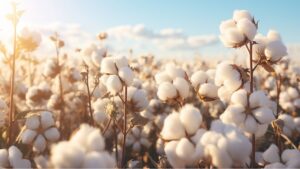
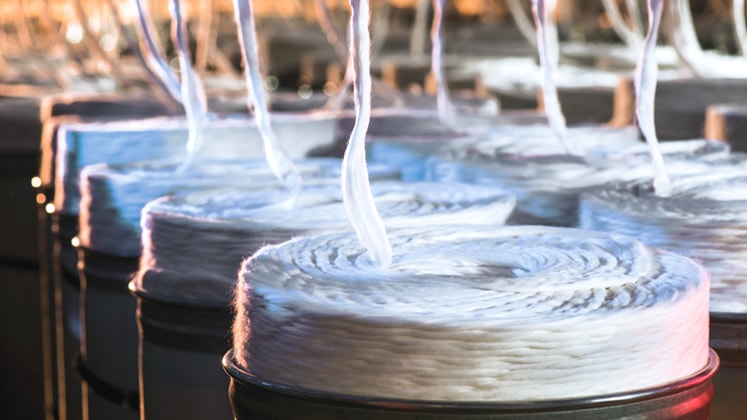
Having a huge product portfolio in its basket made up from sustainable fabrics and fibers such as BCI Cotton, Organic Cotton, Recycled Cotton, Recycled Polyester, Refibra, Ecovera, Tencel, Repreve, Linen, Hemp and Bamboo Fiber etc., Cloths “R” Us Ltd leaves no stone unturned when it comes to producing exactly what fashion brands want.
Secondly, Dolly points out that even if a brand or manufacturer uses sustainable fabric made from expensive yarns, during laundry process it goes through rigorous washing that has a lot of toxic elements – in which case, sustainable properties and sustainable feature of fabric make no impact to the environment. “This practice doesn’t make sense. There should be someone to communicate the relevant stakeholders that this process is wrong and that’s where we are connecting the dots,” states Dolly.
Also Read: What is the cost of sustainable fashion?
Recycling is another major concern area for Cloths “R” Us Ltd. One of 4Rs is being talked about a lot but when it comes to implementation, Bangladesh lacks expertise. “I think 3Rs (Reuse, Reduce, Repair) are in practice but the 4th one (Recycling) is still a challenge for the industry because it needs huge investment, and Bangladesh is somehow not ready to step into this process,” shares Dolly corroborating reasons behind her statement that over produced items in factories are still being exported by Bangladesh as stock-lot, so no huge amount of garments are available for recycling. “Further, the waste of fabric is being generated only in cutting rooms and on sewing floors which is locally collected by waste dealers for different purposes. There are no specific data on collection and utilisation of these wastes which is yet to be explored. This area is highly potential as a pre-consume recycle cotton material resource within the country.” says Dolly.
Mindset is changing
With young entrepreneurs taking over the factories, the Bangladeshi RMG industry can see positive changes in the industry’s approach towards sustainability. “When I started this set up in the beginning, there were quite a few players who were into sustainable manufacturing, but now we can see a lot of manufacturers are in practice. The same is happening with brands as those who were reluctant in placing their sustainable product line’s orders to Bangladesh are now asking us for suppliers in Bangladesh. My years of analysis, study, contacts with mills and relations with them are being fruitful for this business model and I can assure the retailers I work with will transform in a big way,” concludes Dolly.