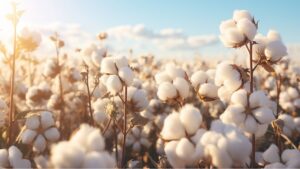
The use of recycled fibres or the implementation of artificial fibres from natural polymers are also gaining acceptance by denim brands and end consumers. Even the use of a new generation of smart enzymes is replacing the traditional stone-wash or sand-blasting wash-down techniques. It really means sustainable ways of producing denim.
It is very clear that the concept of Green development in fabrics in India is gaining momentum and will continue to do so as international brands look to be more conscious about the damage to the environment. In particular, there is a constant struggle of the cost; buyers of denim constantly want cheaper prices and yet companies need to spend more money to become Green. Are the consumers and brands prepared to pay this extra cost to protect the environment? Where have we reached in greening denim? Industry expert Michael K Hodges, President, JCT Limited shares with Apparel Online.
There can be no doubt in the fact that the concept of Green is catching up. Industry has been making a lot of efforts to reduce the consumption of water, making the processes more energy efficient, experimenting with environment-friendly chemicals for washing, developing alternative techniques and equipment, for delivering the same wash-down effects, with lesser use of water, and which are safe for the workers and environment. “It is difficult to reduce water consumption, use of dyes and consequently the low effluent discharge and it requires major intervention from research institutes, chemical and technology companies,” says Michael.
[bleft]Recycling is always a good idea in any manufacturing but there is still a high use of chemicals in producing the new product.[/bleft]
According to Michael the most recent technology which has been launched by a Spanish company reduces amount of water to zero consumed during warp dyeing, resulting in a reduction of at least 3,00,000 litres of water daily, or approximately 12 litres per garment. In addition, its development of natural finishes and fabric treatments aims to redress the balance of fashion and science with the environment. This includes the use of naturally derived substances such as aloe vera, bamboo charcoal and the cupuaçu fruit from the Amazon. Clariant with its new technology for denim process claims that water savings would amount to about 62 billion litres per year which equals the water need of around 1.7 million people.
The use of recycled fibres or the implementation of artificial fibres from natural polymers are also gaining acceptance by denim brands and end consumers. Even the use of a new generation of smart enzymes is replacing the traditional stone-wash or sand-blasting wash-down techniques. It really means sustainable ways of producing denim.
[bleft]What is a “Green Denim”… Denim produced with organic cotton, natural dyes or indigo; rivets and buttons made from natural or recycled materials. Distressing, stonewashing, holes or bleaching are avoided because those stylings are typically made with chemicals.[/bleft]
Green means… added costs
Everything which comes with extra efforts or inputs definitely has added cost to it. Many of these solutions, like organic cotton, recycled raw material, eco-friendly chemicals, results in higher costs as compared to the conventional methods, which implies that only the high-end customers can opt for the eco-friendly range of products, thereby limiting the scope for industry-wide adoption of the better techniques and processes. “Organic cotton is a good idea but this comes at a cost, namely the yield, so the area cultivated has to be larger. And this makes the product more expensive, the farmer therefore has to be paid more; this leads to the question will brands pay for this increased cost,” questions Michael.
Can we term Denim as “Green”?
Looking at “denim” in its traditional life cycle – made out of cotton, dyed with indigo, washed with chemicals, and so on – actually make it almost impossible for denim to be Green. Cotton requires enormous amount of pesticides and water, indigo dyeing consumes a lot of energy (fuel), indigo by virtue of its chemical structure is insoluble in water and its disposal is a big hassle, denim apparel needs to be washed with chemicals (to make it look good and wearable) which are harmful for the environment, and techniques like sand blasting result in life threatening diseases.
A large amount of water is used in the washing to get the various denim effects. Secondly major chemicals like starch and softeners are present in the discharge of water. Where a change can be made in the indigo dyes? Michael suggests, “The mills need to work with the chemical suppliers to develop dyes that are environmentally friendly, require lesser chemicals and have an improved fixation onto the cotton. The problem with denim today is the discharge levels required in the manufacturing process which is so excessive that the recycling capacity cannot handle the output – until this is addressed denim will not truly go Green.”
How denim can really be made Green with “Desired Look”?
Working for a long time on sustainable denim, Michael shares that there have been discussions about the development of eco-jeans which are dyed from pigment from the Indigofera Tinctoria plant, these natural pigments are found in less than 1% of indigo dyes, however indigo dyes don’t dissolve in water therefore chemical solvents are still required.
Using Ozone, faded denim is another way to avoid washing of fabric but the technique still needs to be developed and applied for the production of Green Denim. But the objective is to reduce the chemical discharge and water consumption to levels that can be safely recycled and used again in the process therefore making them de facto “Green”.