Always playing second fiddle to luxury markets such as that of Brazil, Mexico is getting its due recognition not just by luxury brands, but also by industry experts who are looking at Mexico’s luxury market as one having the most promising growth potential in the next five years. Despite international factors having some impact on the Mexican economy, including the devaluation of the Mexican peso against the US dollar, the retailing environment has remained steady due to moderate inflation rates that have favoured consumption and therefore had a positive influence on the performance of the retailing industry in 2016.
According to Euromonitor International, the Mexican economy is showing powerful signs of rebound, due to strong economic recovery in the USA and robust private consumption. There is also optimism, due to reforms carried out by the Government, particularly in terms of improved fiscal position and higher energy and telecommunication investments. But the country of 120 million has not always been as economically dynamic as it is now! Also, giving further impetus to the Mexico market is a growing feeling of nationalism that has resulted from President Trump’s policies. Experts believe that this has led the Mexicans to become more patriotic and focused, supporting and elevating things that are happening in Mexico in order to curb their dependency on the USA. Mexico – which is Latin America’s second largest market, the second most populated country and the market with the second highest number of millionaires and billionaires, is seeing an influx of luxury brands.
This push has also been generated through tourists who had a total economic impact of US $ 19.6 billion in 2016, a 10 per cent jump from 2015 and a 54 per cent increase from 2012, as per estimates of MSL Group for the Mexican Tourism Board. Also, the country’s millionaire population, i.e. 1,73,400 is projected to increase by 40 per cent over the next decade. The statistics for the country are working in favour of luxury and the impact has been quite visible as Mexico’s luxury market grew to US $ 3.56 billion in 2016 up by 55 per cent from US $ 2.3 billion in 2011, growing at a compound annual rate of 9 per cent as per Euromonitor International, making it both the largest and the fastest growing luxury market in Latin America. The low import taxes on goods is making the goods sold in Mexico to be similarly priced as the US and the weak peso is encouraging many to buy locally, rather than purchasing it in the US.
Mexican Presidents’ economic reforms, over the past couple of years, are expected to boost Mexico’s growth in the Latin American fashion market. Experts believe it is arguably the most exciting, emerging market economy apart from the BRIC country cluster. The MINT (Mexico, Indonesia, Nigeria and Turkey), are being closely monitored by analysts and investors as they are showcasing favourable future demographics, critical market mass and wealth indicators.
Though Brazil still remains the single most important developed market in Latin America, Mexico is still silently closing in. Euromonitor estimates that Mexico’s apparel and footwear market is currently worth US $ 29.6 billion, but in just four years’ time, the size of the Mexican market will grow by US $ 10 billion. The ready-to-wear designer market will grow by 50 per cent during the same period, from US $ 1.9 billion this year to $ 3 billion in 2018.
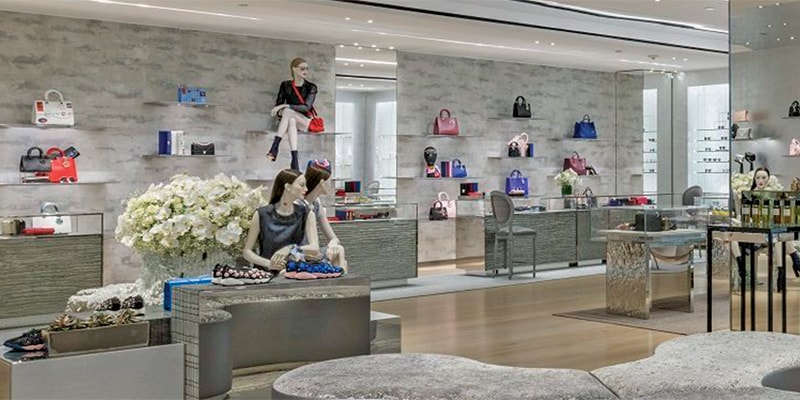
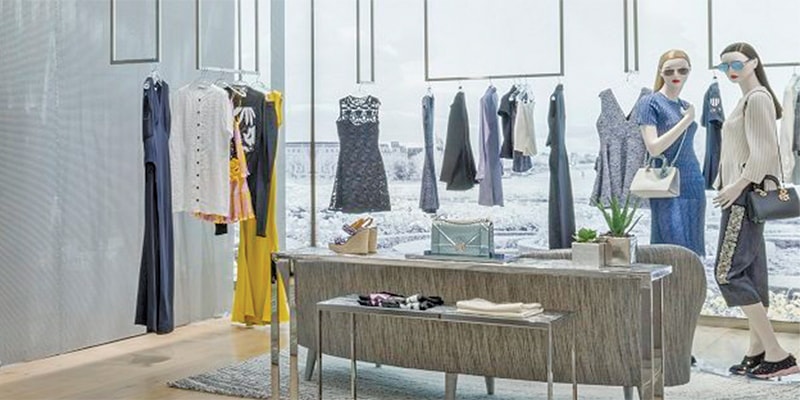
Looking at the year-on-year growth in the market, luxury brands such as Dolce & Gabbana have recently rolled-out three stores in a year, which was outdone by Prada, opening up two boutiques within a week – one in the nation’s capital and another in Cancún. Also, Saint Laurent is planning a flagship store next year, while others such as Marc by Marc Jacobs, Theory, Emporio Armani, Coach, Michael Kors, Dior, Gucci, Tory Burch, Louis Vuitton, Tiffany & Co., Ferragamo, etc. are already present in the country.
Increasingly, luxury brands and departmental stores are expanding at superfast speed in affluent cities such as Guadalajara, while shopping malls are mushrooming around the country in second tier cities like Querétaro and Puebla. Apart from luxury brands, the middle market and high street brands are expected to continue to be strong, as H&M is continuously expanding its Mexico presence further, by swiftly opening eight more stores in the country within the next couple of years. Also, Mexico boasts of new arrivals such as Forever 21, and the age-old ZARA that have been active in the Mexican market for much longer.
Mexico is giving further impetus to internet retailing, which generated strong double-digit current value growth in the country in 2016. This is also demonstrated by a surging market growth in mobile-based segments and the largest telecom investment levels in the region. The total retail value of the Mexican m-commerce market is expected to grow to US $ 5.5 billion by 2019, a 148 per cent expansion in real terms over 2015. This will offer new platforms for luxury brands to engage with many new would-be luxury consumers, especially in the more affordable luxury area. Evidently, the statistics and the ever-changing retail environment are showcasing Mexico as a potential market for not just high street and mid-segment brands, but also luxury brands, as the market witnesses a huge influx and has the potential to grow year-on-year.





 Bharat Tex Special Report 2026