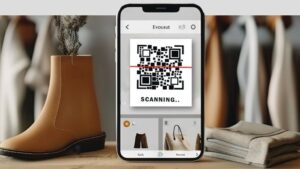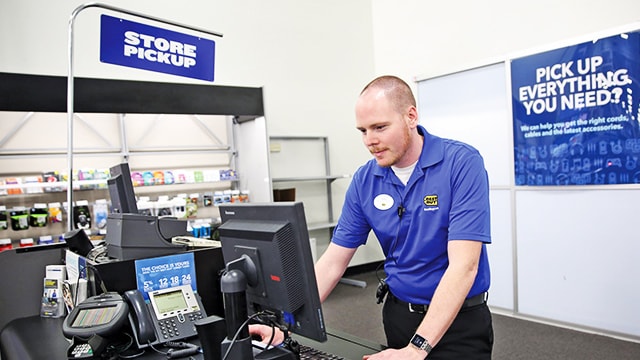
The most prominent retail trend in the past few years is the rise of omni-channel shopping, where consumers no longer distinguish between buying in a store and buying online. While brick-and-mortar stores continue to be threatened by online shopping, even the likes of Amazon are not having it easy, with customers still wanting the advantage of touch and feel, particularly in clothes before actual delivery. The consumers want the choice to research, select, reserve and pay for products online, then pickup-in-store leading to a growing BOPIS (Buy-Online-Pickup-In-Store) model in retail. In the last five years over 90 per cent of top 100 US retailers have entered the fray offering BOPIS service, but there’s a long way to go for customer experience and business value to be optimized.
By integrating online and physical shopping stores, for whom many retail analysts had predicted doom with the advent of digital convenience, this has emerged as an asset rather than a liability. The new retail ‘mantra’ has not only impacted the physical stores, but also posed a challenge for companies that sell entirely online, compelling them to shift strategy, in response to consumer desire for more flexible shopping options. The phenomenon, pioneered by Walmart and Best Buy about seven years ago, is now being adopted across the industry. “It’s huge,” says Lee Peterson, Executive Vice President with retail consultant WD Partners Inc, adding, “It’s a big part of e-commerce for retailers going forward, and a great way to compete with the online invasion…”
Many of these changes will affect the way retailers manage their supply chains. Brands that understand both the power of digital and human psychology will be the winners, as they see digital as a means, not an end. These smart retailers/brands are adopting their business models and integrating themselves deeply into the customer experience, so they are there wherever you need them, whether it is lying in bed or walking down the street – that is what many analysts are calling ‘The Blur’. In, The Blur, the dichotomy of online and offline no longer exists, because the physical world is augmented and enhanced by digital capabilities.

In-store pickup is helpful to brick-and-mortar retailers in a number of ways. In a recent study by JDA (JDA Software is the leading supply chain provider powering today’s digital transformation), having customers pickup their online orders themselves also solves the pesky and expensive challenge of last-mile delivery. The findings of the survey are very interesting; of the respondents that use buy-online-pickup-in-store services, 40% ‘sometimes’ made additional purchases in-store. In fact, returns are also driving traffic. Some 44% (over 10% more than last year) are making returns from online orders in store, with more than 30% doing so to avoid the hassle of return deliveries, and 17% saying they thought they’d receive their refund or exchange more quickly.
Dive Brief
• More than half (54%) of shoppers say they prefer to shop in-store over digital channels including online, mobile and social media, while nearly half (46%) prefer to skip the store in favour of such channels, according to JDA’s third annual Consumer Pulse Survey emailed to Retail Dive.
• JDA frames buy-online-pickup-in-store service, known as BOPIS, is a sweet spot and a ‘cure for the store’, considering “a quick and easy shopping experience” was favoured by 75% of survey respondents over a ‘personalized experience’.
• The prevalence of BOPIS services has risen by 44% since 2015, according to JDA’s survey of more than 1,000 US consumers.
“Our 2017 Consumer Survey highlights the changing role of retail stores,” Jim Prewitt, Vice President of retail industry strategy at JDA, said in a statement. “While there has been speculation of a ‘retail apocalypse’, that doesn’t seem to hold true for consumers. No longer the only channel for shopping, brick-and-mortar stores are still a key cornerstone for a quick and easy shopping experience and the facilitator for popular fulfilment options, like BOPIS and buy-online-return-in-store (BORIS).”
However, the potential risk of going wrong is also high. About half of customers that chose a BOPIS option experience problems, according to a recent Fortune report. Such an experience can be deceptively positive to a business, as sales figures may increase because products have already been purchased. But while the sales numbers might look good, a bad experience could hurt repeat business and generally lower satisfaction. Retailers, who offer BOPIS, must track the entire customer journey to identify potential issues and problems.
Snags in BOPIS services are associated with mismanaged staffing, JDA found. Nearly a quarter (23%) said store staff took a long time or were unable to find the shopper’s order, and 16% said there were no dedicated staff for BOPIS purchases, a situation largely unchanged from last year, JDA said. Target and Walmart are among retailers dedicating staff and areas for in-store pickup. JDA also found 80% of customers surveyed want incentives to make that pickup trip, which introduces other complications. Many retailers (including Walmart, which in April began offering a “Pickup Discount” on about 10,000 items), are offering or testing similar encouragements.
Moody’s Investors Service also believes in the potential of encouraging shoppers to pickup from the stores. Moody’s lead retail analyst Charlie O’Shea praised Walmart’s BOPIS-related discount, saying that it’s “another example of a retailer leveraging its physical stores to provide consumers with more options to receive online orders quickly.”
There may be many problems in actual implementation, but BOPIS is here to stay and everyone in the supply chain needs to prepare for the model with better technology and more responsive service.