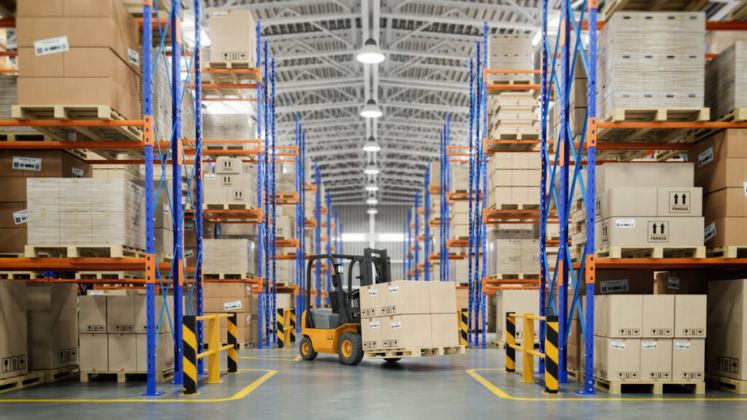
The Bangladesh government has announced plans to extend duty-free bonded warehouse facilities to all export-oriented sectors, marking a significant policy shift aimed at reducing business costs, simplifying regulations and strengthening the country’s export competitiveness.
The announcement was made by Finance and Planning Minister Amir Khosru Mahmud Chowdhury during a pre-budget roundtable discussion organised by the Dhaka Forum Initiative in Dhaka.
Under the proposed policy, exporters across all sectors producing goods for international markets will be eligible to import raw materials duty-free through bonded warehouse facilities. The move will broaden access beyond the ready-made garment industry, which has traditionally been the primary beneficiary of the scheme.
According to the minister, the government is undertaking major reforms to simplify bonded warehouse regulations and eliminate administrative obstacles faced by exporters. He stated that all exporters would be eligible for bonded warehouse facilities, regardless of the sector in which they operate.
The expanded facility is expected to create new opportunities for emerging export industries, including jewellery manufacturing, diamond cutting and other non-traditional sectors. Access to bonded warehouse benefits under back-to-back letter of credit arrangements is expected to support the growth of these industries and encourage export diversification.
The minister also announced measures to simplify bond licence procedures. Under the proposed reforms, businesses will no longer be required to renew bond licences annually, while audit requirements will be significantly reduced. Instead of annual audits, compliance reviews will be conducted once every three to five years.
Highlighting the government’s broader economic reform agenda, Chowdhury said reducing the cost of doing business remains a key priority. Efforts are focused on addressing inefficiencies in taxation, customs administration and port operations, which have long been identified as barriers to competitiveness.
He further noted that the government is prioritising the digitalisation of the tax system as part of its efforts to tackle corruption and improve efficiency within revenue administration.





 Bharat Tex Special Report 2026