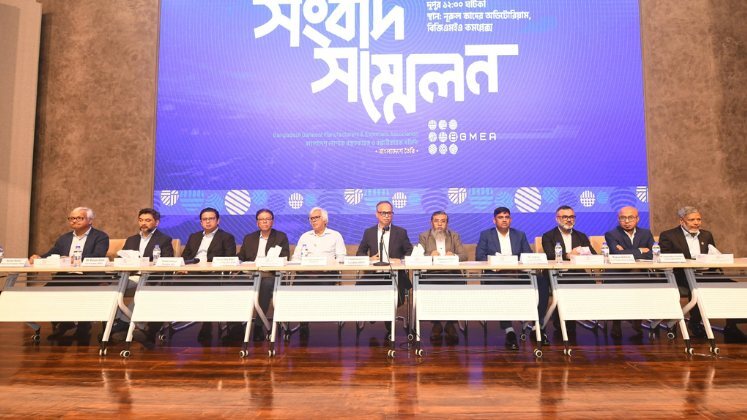
According to Mahmud Hasan Khan, President of the Bangladesh Garment Manufacturers and Exporters Association (BGMEA), around 250 export-oriented readymade garment companies closed last year.
He cited worker discontent as one of the reasons during a press conference in Uttara, Dhaka. Additionally, he expressed disapproval of the interim government’s plan to permit 20 employees to organise a trade union because he thought it would lead to discontent in the export-oriented industry.
After China, Bangladesh is the second-biggest supplier of RMG products. Its inexpensive, skilled labour draws big international businesses. The industry produces around US $ 40 billion annually, or more than a tenth of the nation’s GDP, and employs about 4 million people.
However, the industry is infamous for its low pay and unfavourable working conditions. Since the Rana Plaza collapse in 2013 and the Tazreen Fashions fire in 2012, things have considerably improved.
Most recently, after the US put high tariffs on India, Bangladesh began drawing more overseas consumers. However, the recent fire at the cargo building of Dhaka airport damaged millions of dollars’ worth of RMG supplies and items and interfered with the export of clothing. The loss of samples could put future businesses at risk, according to garment traders.
Mahmud Hasan cautioned that if the nation leaves the LDC group next year without guaranteeing a business-friendly environment at home, the industry will lag behind its rivals. He claimed that putting the labour modification legislation into effect would hurt exports, deter foreign investment, create volatility in the industrial sector and undermine the economy.
Before creating business-friendly policies, he encouraged the government to confer with business executives.