Bangladesh’s National Board of Revenue (NBR) has launched a major enforcement drive to curb alleged abuse of bonded warehouse facilities and smuggling that is estimated to divert goods worth around US $ 5 billion annually into the domestic market.
According to NBR sources, the tax authority is collecting banking transaction data covering the past five years from leading export-oriented companies suspected of misusing bonded facilities. These firms are alleged to have imported raw materials duty-free under bond arrangements and diverted them to the local market instead of using them to manufacture export goods. The banking data will be cross-checked against import-export records using the ASYCUDA system and other trade databases.
As part of tighter oversight, the NBR abolished all manual utility permissions (UPs) for bonded operations with effect from 1 January this year. All bond-related services, including entitlements for duty-free raw materials, are now being processed exclusively through the Customs Bond Management System (CBMS).
A senior NBR official stated that full automation has become essential to prevent the abuse of bonded facilities. The official added that bonded warehouse inventories will now be inspected on a regular basis and that immediate legal action will be taken if irregularities are detected.
Textile industry stakeholders have long argued that bond abuse and smuggling have inflicted substantial losses on legitimate manufacturers. Industry insiders estimate that goods worth about US $ 5 billion enter the local market each year through such channels, undermining domestic producers and causing significant revenue losses for the government. They also noted that following political developments in August 2024, field-level monitoring by the NBR weakened, leading to a rise in irregular practices.
A senior official from Dhaka Tax Zone-8 said seven companies have already been asked to submit banking transaction records for the past five years. These records will be matched against their import and export data, and explanations will be sought if discrepancies are found. The official noted that failure to provide a satisfactory explanation would lead authorities to presume that duty-free raw materials had been diverted to the open market.
Sources indicated that Tax Zone-15 has also sought bank details from eight companies, and the total number of firms under scrutiny nationwide could exceed 100. The names of the companies have not been disclosed.
Bangladesh Textile Mills Association (BTMA) Standing Committee Chairman Khorshed Alam said local mills currently meet around US $ 7 billion of the country’s annual US $ 12 billion demand for fabric and clothing, adding that the remaining demand is met through bond abuse or smuggling. Meanwhile, Bangladesh Garment Manufacturers and Exporters Association (BGMEA) President Mahmud Hasan Khan Babu cautioned that the entire export sector should not be blamed for the wrongdoing of a limited number of companies.
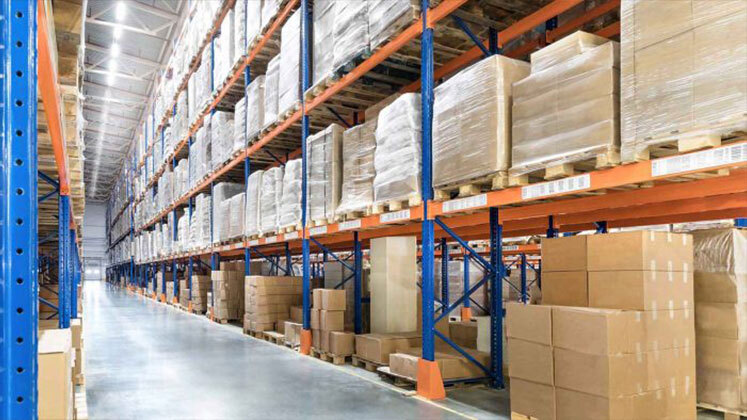
Under existing rules, exporters are allowed to import raw materials duty-free under bonded warehouse facilities, provided these inputs are used exclusively to manufacture export goods and are stored in approved warehouses. Any sale of such materials in the domestic market requires prior customs approval, with duties ranging from 40 per cent to 89 per cent depending on the product. Introduced in the 1980s to boost export competitiveness, the bonded facility has played a key role in the growth of Bangladesh’s ready-made garment sector, though allegations of misuse continue to pose challenges for regulators and domestic manufacturers alike.