The Human Rights Watch or HRW — HRW, an international rights group based in New York — has alleged that the social audits and certifications employed by brands and retailers are profoundly inadequate when it comes to overseeing and responding to threats faced by workers attempting to establish independent unions in Bangladesh.
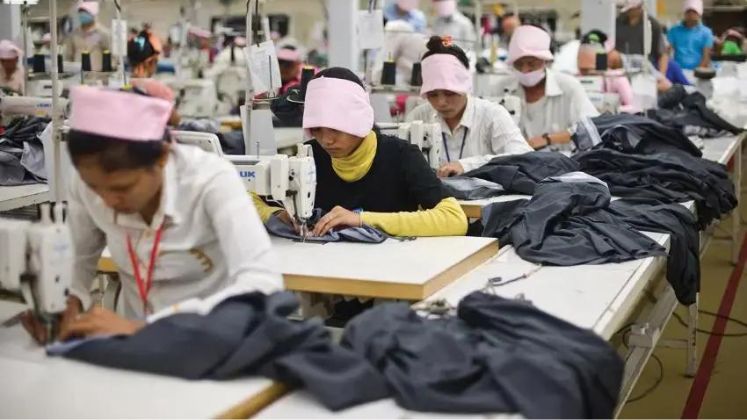
In its analysis of standard social audit reports from garment factories in Bangladesh, HRW discovered that most audit reports either barely addressed the issue of freedom of association or, in some instances, merely reused stock language found in auditor findings from other factories’ audit reports.
This is as per reports, which added the HRW has voiced these concerns in a statement issued recently even as citing its previous research, HRW emphasised that standard social audits pose a significant risk of under-detecting or completely missing labour abuses, particularly concerning issues such as discrimination, harassment, forced labour, child labour, and freedom of association.
The seriousness of these shortcomings is further underscored in the wake of the June 2023 killing of Shahidul Islam, an independent labour union leader in Bangladesh. Islam was allegedly killed while leaving a factory operated by Prince Jacquard Sweater Ltd., after attempting to mediate on behalf of garment workers regarding unpaid wages and Eid bonuses.
The HRW has noted that this factory had undergone audits under two commonly used social audit systems, amfori and Sedex.
Quoting Aruna Kashyap, Associate Corporate Accountability Director at HRW, the statement emphasised the dangers facing independent labor union leaders, stating that “Brands and suppliers should not rely on social audits and certifications as they are woefully inadequate, particularly in preventing violence and harassment of workers seeking to form or join independent labour unions.”





 Bharat Tex Special Report 2026