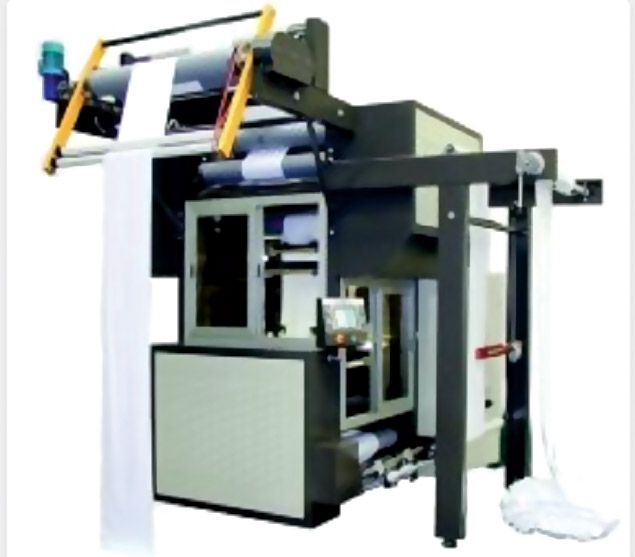
In the present day scenario textile and garment finishes play a vital role in adding value to garments. The different washes and finishes are not restricted to just wovens but have found a way in knitted fabrics too. These finishes enhance the feel of the fabric and reduce the embrittlement caused by various other processes like bleaching, dyeing, printing etc. One such process for knits, Sueding, is fast gaining favour with leading international brands.
Jonalee Bajpai, Assistant Professor, NIFT, Bangalore with inputs from industry experts of leading companies such as Shahi Exports, Bangalore, Li & Fung, Delhi, and SP Apparels, Coimbatore, discusses the required quality checks.
In the recent years, ‘Brush Sueding’ has become particularly popular in Knitted fabrics (100% cotton). Leading apparel retailers like Hollister, Pacific Sunwear, American Eagle, Abercrombie n Fitch, Express, Tommy have most of the time demanded Suede finish for their garments.
Sueding is a mechanical treatment which leaves minimal hairiness on the fabric surface but with a better surface consistency as compared to peaching or brushing. Brush sueding is done on both open width and tubular fabrics but carries more loss percentage than peaching or brushing, generally going upto 10% – 15% depending on the intensity of finish.
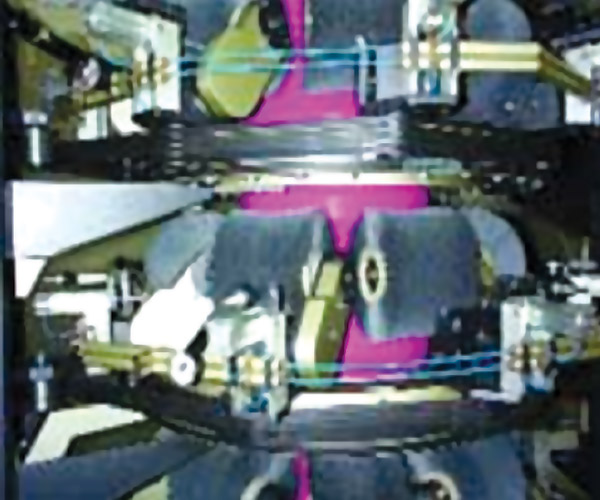
Mostly jersey and flat structures are preferred as they have plain surface and give more uniform sueding. Sueding is possible in all counts except where the GSM goes below 130-150 as the fabric becomes weaker in strength to take on the mechanical cycle. Hence counts below 40’s on Jersey and 50’s on Interlock are not advisable for sueding process. The cycle time required to achieve a certain finish always depends on fabric weight / count / surface texture, etc.
Quality Check Points on Sueded Fabrics and Garments
1. Fabric Pilling – Repeated passing of the fabric surface through the machines to achieve certain type of sueding effect may give rise to the problem of pilling. But this problem is being encountered by the latest developments in machines that permit wider fabric and brush contact thus facilitating to achieve the required effect by just one pass.
2. Streakiness – This appears in the form of vertical lines on the fabric and is caused mainly when the surface of the fabric is not stretched uniformly and is not parallel to the sueding rollers or the machine surface. The sueding machine or the sueding rollers alongwith the bristles should be cleaned at regular intervals as even a very little non-clean surface on the rollers or the bristles can be the main cause for streakiness. Sometimes the spikes of roller brushes can either chip or break, also causing uneven brushing and hence streakiness. To prevent this, they need to be regularly checked and replaced.
[bleft]Sueded garments are generally preferred for their soft hand and worn out look that remains throughout the life of the garment. Hence it is a popular finish for sportswear. With the latest R&D in the sueding machines, different levels of sueding effect with better consistency is achieved[/bleft]
If streakiness appears on the fabric, then the entire fabric needs to be softener washed, compacted using the Tiango machine, and re put for sueding. Samples of the defective fabric are usually sent to the buyer for arriving at the acceptability level. Accordingly, fabric rejection standards are set. Also, no set cutting and laying instructions follow from the buyer’s end, leaving it to the discretion of the manufacturer.
3. Shrinkage – In the process of sueding, the fabric undergoes stretching in all dimensions so that the fabric surface comes in uniform contact with the rollers. This leads to the problem of shrinkage in the fabric. The knitted fabrics in terms of structure carry the following shrinkage percentage.
To bring down the shrinkage percentage the sueded fabrics need to be washed, tumble dried and compacted before cutting. Fabric needs to be CPL (cut-panel-length) to make sure fabric panels with similar shrinkage are grouped together.
Sometimes bowing might be present in the fabric when it is put for sueding. The process of stretching the fabric on the machine and the subsequent brushing using the rollers can increase the bowing.
The solution is to put the fabric into the compactor to get the bowing back to its original percentage.
4. It is always advisable to do brush sueding of knitted fabric in tubular form so that the fabric can be dyed after sueding to achieve shade uniformity in both sueded and unsueded faces of the fabric. But brush sueding in the tubular form leads to the problem of the effect on the edges of the tube.
| Structure | Content | Count | GSM |
| Single Jersey | 100% cotton | 10’s/1, 20’s/2 | 290 |
| Single Jersey | 100% cotton | 20’s/1, 40’s/2 | 200 |
| Single Jersey | 100% cotton | 30’s, 60’s/2 | 150 |
| Fleece | 80/20 cotton/poly | 30’s/ 10’s | 300 |
| Terry | 80/20 | 32’s/ 10’s | 290 |
| Interlock | 100% cotton | 30’s | 280 |
| Interlock | 100% cotton | 40’s | 220 |
| Knitted fabric sueding is popular in the following fabrics | |||
5. Fabrics are to be inspected for shade variation and matched from bit to bit and segregated for final pattern cutting. The streakiness and shade variation may result in huge loss of fabric and garment rejection to the extent of 3% – 8%.
6. End Bit checking of the sueded fabric rolls is very important as it carries the maximum shade variation due to uneven contact between the fabric and sueding rollers at the starting and ending of the process. This leads to an increase in fabric consumption and thus cost.
| Fabric Structure | Regular Shrinkage Percentage | Shrinkage Percentage after Sueding |
| Jersey | 5% | 6% – 7 % |
| Pique | 6% | 7% – 8% |
| Waffle | 8% | 10% – 12% |
| Interlock | 6% | 8% – 10% |
| Flat Back Rib | 8% | 10% – 12% |
| Fleece | 8% | 10% – 12 % |
| Shrinkage percentage table | ||
7. Due to excessive sueding or sometimes sueding on low GSM, fabrics develop tiny holes; hence fabrics need to be checked for holes on the light table before cutting.
8. Sueded fabric always has the risk of not matching with the trims such as collars, ribs, panels etc, inspite of being made up of the same yarn.
Hence it is very important to take special care to match the body fabric with the trims and get prior approval from the buyer.
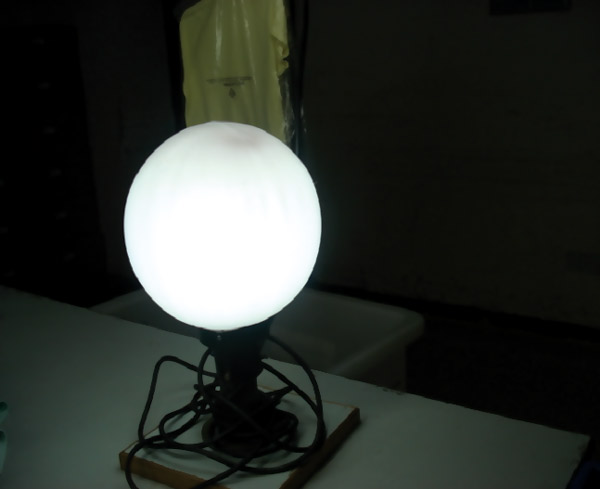
9. The checking of the garments along the seam is important to avoid sewing holes in sueded fabrics. Checking with illuminated globes is helpful in such cases.
10. Alteration of garments needs to be avoided in sueded fabrics as it causes pin holes which results in rejection of the garments.
11. Sueding in itself is done to keep the fibres raised on the garment, hence steaming is preferred instead of pressing operation. Care should be taken that raised fibres do not sit flat during process of pressing, steaming or packing.
12. The standards normally adopted to check the level of sueding in a garment is Visual Checking and Approval. The garment is mostly checked for its required surface hairiness, hand feel and colour loss or shade variation before wash and after wash of the sueded fabric.
[bleft]Mostly jersey and flat structures are preferred as they have plain surface and give more uniform sueding. Sueding is possible in all counts except where the GSM goes below 130-150. The cost of sueding varies from fabric to fabric and the type of effect required. But on an average, cost of sueding is 0.50 USD per kg[/bleft]
Some manufacturers of sueding machines are Lafer Spa, Italy, Mario Crosta, Italy, I Kuang Machine works Co. Ltd, Taiwan, Caru Textile Machines, Italy, Yash Textile Machines Pvt Ltd, India, Chien Lun Machinery Co., Ltd. Taiwan. Although some of the machines can do sueding for both woven and knitted fabrics but there are few others which are specially made for either woven or Knitted fabrics that emphasise in retaining a better performance of the fabric’s inherent properties.
The cost of sueding varies from fabric to fabric and the type of effect required. But on an average, cost of sueding is 0.50 USD per kg. This gives an upcharge of 0.25 USD to 0.50 USD on a garment based on its style and fabric consumption. On an average, a sueded Polo Shirt of 210 GSM carries an upcharge of 0.50 USD when compared to a nonsueded one.
Sueded garments are generally preferred garments for their soft hand and worn out look that remains throughout the life of the garment. Hence it is a popular finish for casualwear only, like Polo T shirts, Basic T- shirts, Sweat Shirts, Knitted Bottoms, Ladies tops, etc. The effect of sueding becomes more prominent with silicon wash and is most preferred by customers. With the latest R&D in the sueding machines, different levels of sueding effect with better consistency is achieved.