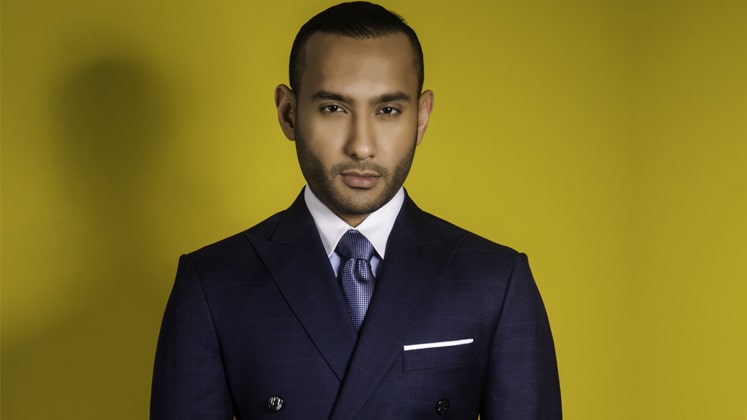
Disrupting a market founded on ready-to-wear and prét fashion labels and brands, Mehruz Munir took a leap of faith when he decided to introduce a luxury label in Bangladesh, especially catering to the often overlooked category of menswear. Since then, Zurhem has expanded into womenswear as well.
From bespoke to ready-to-wear men’s suits, jackets, trousers, polo necks, T-shirts, bandhgalas and sherwanis to women’s evening gowns, cocktail dresses and ready-to-wear workwear and partywear – Zurhem is a one-stop solution for today’s picky customers.
Its growing popularity in the Bangladesh market has led it to extend its ready-to-wear line to include the entire spread of fashion that can be picked up on the go, and not just luxury pieces.
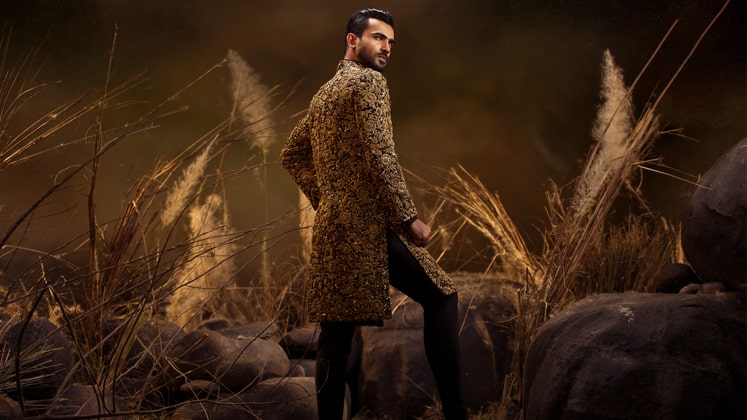
Apparel Resources had the opportunity to speak to the dynamic Creative Director and CEO of Zurhem on how he established a new wave of high-end fashion in a country used to manufacturing mass fashion.
AR: What made you get into the field of design? Has fashion always been your calling or did you decide getting into this field at later stage in life?
MM: I had decided to get into this line at a very early age — ever since I was 8 years old. I kind of knew that I had to grow up and become a fashion designer and run a fashion label in Bangladesh. But you know, how growing up in South Asia and specifically in Bangladesh, where the fashion industry is not very well developed even now, had its own set of challenges.
When I told my parents about my plans to start my own fashion label, they urged me to get a solid degree first since the fashion field was still very new at that time. I graduated from business school in Melbourne, Australia, post which I decided to take that leap of faith and enrolled myself in the London College of Fashion where I studied menswear.
Once I received my degree in fashion, I came back to Bangladesh and got in touch with two of my friends, and discussed my idea of starting a label with the intent of getting them on board as partners, if the idea interested them.
And that was the beginning of Zurhem.
AR: When did you launch Zurhem? Take us through your brand journey.
MM: We started off in 2015, with a very small office with only two employees, namely the sewing masters. At the onset, we tried to experiment with different trims and silhouettes in order to test the market and understand where we really wanted to be in terms of our aesthetics.
In 2016, we decided to go all out because we were comfortable with our craft and we had kind of figured out what the market wanted and needed. That’s when we had our first atelier and since then there has been no looking back.
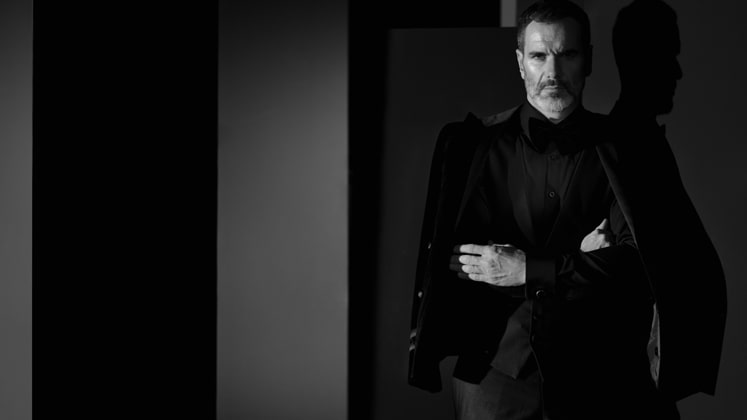
AR: A lot of times, the market is not ready to adopt a certain type of aesthetic or brand language. How can a brand tackle this situation?
MM: When we first started, everyone including our friends and family were of the view that Bangladesh is not ready. They were of the belief that Bangladesh clientele will probably not shell out so much money for a suit from a Bangladesh-based brand. But I think in order to bridge that gap, you have to really be true to your own personal style and do what you really believe in.
“We have a very strong voice. Since day one, we have been very passionate about our brand language and how we want to showcase fashion and we have been consistent with that. This is how a label can create its own space.”
During the initial days of the opening of our atelier, I remember receiving a massive order where this groom-to-be walked in and placed an order for not just himself but his entire family and friends and it kind of exploded from that moment and we received an influx of clients.
Today we have close to 120 people who make our team.

AR: South Asian body types are more diverse as compared to the West and often fit is something that is overlooked in this part of the world. How do you tackle this issue?
MM: It’s very important to understand the different body shapes and sizes of the particular market that you’re working with. Every designer has his/her own set of patterns. We make our own adjustments to a set pattern that you’d find in Europe, to match our client needs better.
The game completely changes when you are online; so it’s important to give a very clear idea of the sizing you are following so that customers are able to check their own measurements.
Ready-to-wear is another issue altogether since you don’t have a lot of different sizes to play around with — small, medium, large XL and XXL, etc. But having your measurements clearly noted down is always helpful so that customers are able to make informed decisions.
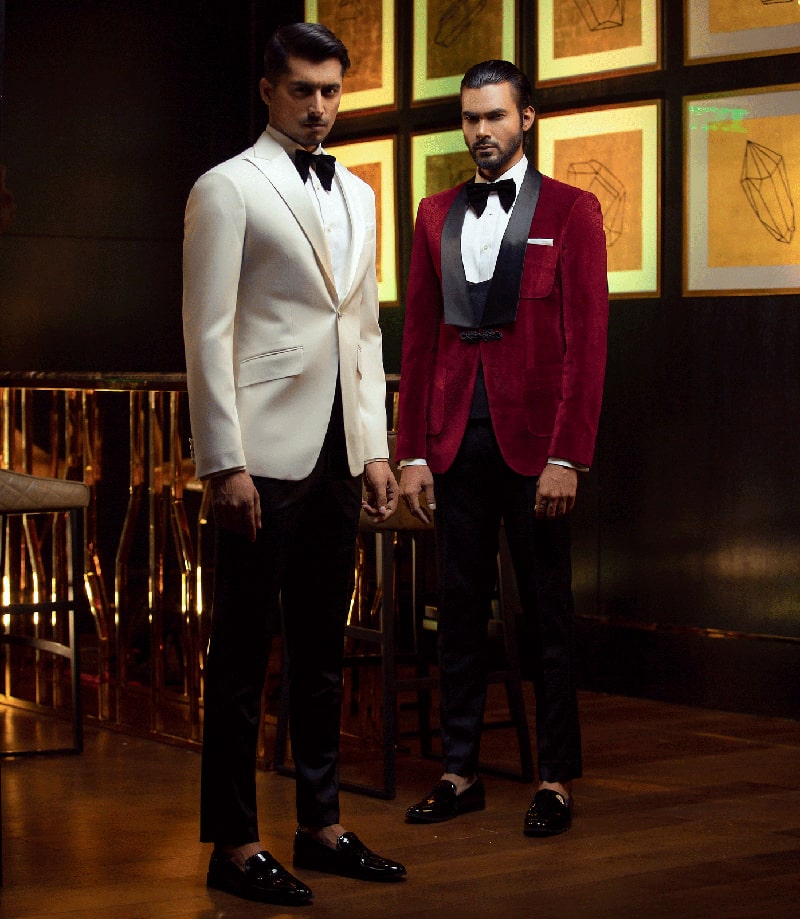
AR: What were the top challenges you faced while setting up Zurhem and how did you overcome them?
MM: The number one challenge was changing the perception of the consumers out here. Since Bangladesh has been producing garments for the rest of the world for a long time now and has mostly been working with a lot of fast fashion brands, the overall perception worldwide is that whatever is made in Bangladesh is generally of very low quality.
So when we came out with Zurhem and said that we would be making high quality and low quantity garments, it came as a challenge.
The other obstacle that we faced was in terms of the financials. Many of these financial companies and banks couldn’t understand why a fashion brand would require funds. We had to educate everyone about what we do and show them examples of other designers working in other countries and tell them that we are not a buying house but a fashion house and our job is to design and deal with consumers directly. But after four years now, that perception is changing.
“We do a lot of marketing, fashion shows and collaborations with artists. We don’t shy away from collaborations, be it someone who is really famous or someone who is just starting out. I think collaborations are the best way today to make your brand reach a wider audience.”
AR: Not everyone who aspires to start their own brand is blessed with the economic background or capital to initiate it. What would your advice be to such people? What steps can they take to start their own label?
MM: A fashion brand inhales money. At least for the first 5-6 years, you have to put in money at every end and wait very patiently to see the brand grow. But once the brand grows and you’re in a certain stage, it starts to pay you back.
For designers looking to start out, they have to know that patience is everything. There’s no shortcut. You have to start small, understand what your brand is about, who your target market is and what they want, understand your own aesthetics and DNA, and then give it time to grow organically.
Sometimes what happens is that people are more focused on money. In such a situation, you tend to lose focus and start doing different things and suddenly you’re lost. Initially, you have to take baby steps. Having a voice of your own and a unique perception really pays off.
In terms of capital and funding, it is really not possible to do everything yourself; chip in investors and partners who can add value to your team.
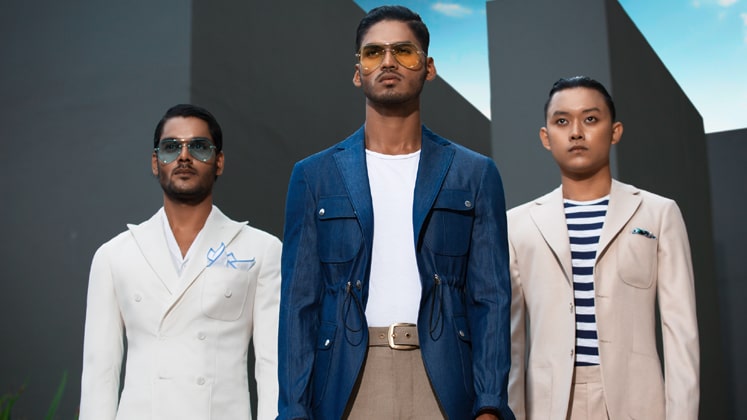
AR: According to you, what is more important for a brand today – participating in exhibitions and fashion shows or digital marketing?
MM: I feel every brand is different, so you have to figure out what really works for your brand. I am someone who doesn’t participate in exhibitions and other avenues. We do our own fashion shows. We focus heavily on social media and online presence because the time is such that the customer base we deal with is always on their phones and this is the best way to directly communicate with them then and there.
That’s why it’s really important to deeply comprehend the clientele: Who are these people? Are they tech-savvy? What are their demographics? Answering questions like these can help to take a well-informed decision. And initially you can test the waters by trying all these different avenues available to know what works out the best for you.
“Always ask yourself if your customer will be able to relate or not. Whether it’s a picture or a design or a simple thing as hanging a painting or an artwork in one’s atelier, this question should be answered because at the end of the day, you are working with your clientele and after sometime, your brand also starts developing a personality of its own.”
Rapid fire questions with Mehruz Munir –
AR: Story behind the name of the brand…
MM: Zurhem is mainly my name… Mehruz spelled backwards.
AR: Top 5 luxury labels…
MM: Currently, I really love Versace and the prints they do. I love Christian Dior for their minimal approach to fashion, and Louis Vuitton’s leather goods and accessories. I also admire Raf Simons for their unique point of view, and also Sandro.
AR: Favourite ready-to-wear labels…
MM: Reiss, Massimo Dutti, Zara and Uniqlo.
AR: All-time favourite designers…
MM: Gianni Versace, Victoria Beckham, Tom Ford, Raf Simons.
AR: Top trends for the next season…
MM: Long gloves, minimalism and tone-on-tone designs, and embroidery over westernwear pieces.
Also Read: Kunal Rawal: The Voice Shaking The Menswear Market