Like any other metro city globally, various market streets of Dhaka as well as other Bangladeshi cities like Chattogram, Gazipur and Narayanganj are witnessing accretive apparel retail stores that attract a large number of Gen Z, millennial and Gen X shoppers. Recently, Bashundhara City in Dhaka, a premium shopping destination, has also opened a classified space – Apparel Corner, having stores of almost nine brands. According to Statista, in 2024, the revenue of the country’s apparel market amounts to US $ 10.52 billion and it is expected to grow at a CAGR of 3.52 per cent (2024-28). The current expansion of stores strengthens the fact that Bangladesh is not only growing in RMG exports but, the domestic market of the country, targeting almost 170 million people, is also on the rise. And home-grown Bangladeshi brands are on their toes to grab greater market share. The aspirational consumers’ demand is set to further thrive, with a strong focus on sustainable and ethical manufacturing practices within the country.
Strategies in place to grow
Growing economic activities, increased disposable income, the impact of social media and exposure to the international community have made Bangladeshi customers highly brand-conscious. There is immense potential in the aspiring middle-class population.
On the other hand, brands are on their toes to increase their market share, be it in basics like quality and fresh designs at reasonable prices or a thrust on marketing activities, a focus on physical and online presence, developing niche products and more. Some of the Bangladeshi brands are aggressively marketing themselves and organising interesting events to allure shoppers and giving them a feel-good experience, going beyond just providing the clothes they need. In different types of zones in stores, cashback offers are available to attract and retain customers.
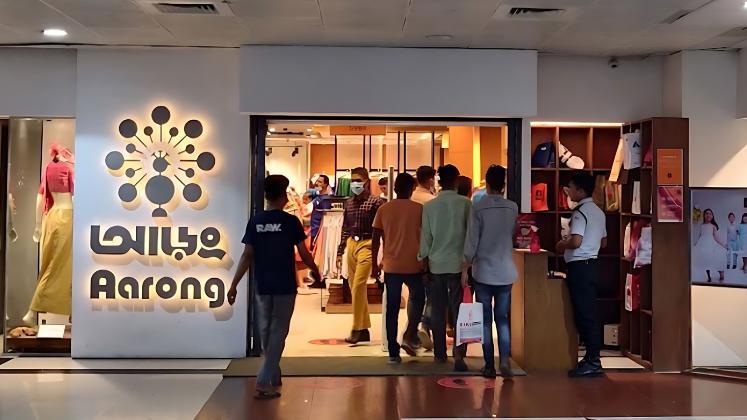
Focusing a lot on such activities, Aarong, a lifestyle brand offering menswear, kidswear, womenswear, home décor, jewellery and beauty products, with 28 stores across the country, recently added a kid’s zone at its Uttara outlet. Another prominent fashion clothing brand YELLOW by Beximco’s, a sister concern of the Beximco group, recently announced its partnership with Bongo as the exclusive ‘Wardrobe Partner’ for Shark Tank Bangladesh. The two-decades-old complete family brand has 20+ stores in the country.
Twelve Clothing, (a sister concern of TEAM Group), a well-known brand for high-end clothing and environmentally sensitive designs, recently added one more store to its rapidly expanding network of more than 38 stores. Motiur Rahman, Director and CEO of Twelve Clothing claims that his strategy is to put in great effort on fit and high-quality contemporary apparel at affordable prices. Expecting massive growth, the brand has planned 100 stores by 2030. As a part of its marketing initiatives, the brand supports a variety of events in the country and is known for its strong online presence.
Completing a decade in the industry, Noir (an in-house premium brand of Evince Group) appeals to a niche customer segment rather than adhering to a broader customer base.
“Nowadays, as a routine, the majority of businesses in Bangladesh are entering into apparel retail but a few are genuine brands which are constantly highlighting their commitment to customer pleasure. We have focused on the same. Tunics and ethnic clothing are some of our best-selling items, and as a brand, we are dedicated to the quality of raw materials and exclusive design. Every design of ours is made in a limited number of pieces,” says Shah Rayeed Chowdhury, Director of the company.
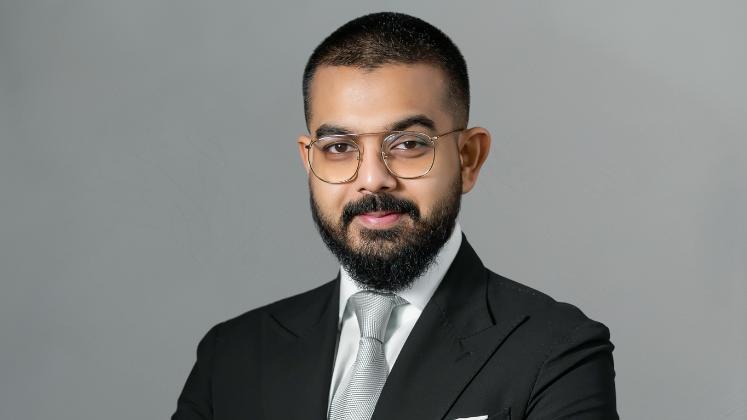
Rise, another brand completing 10 years, already has 25 stores, and as its customers are content, the brand is geared up to add more. It started with the notion of creating a high-end apparel brand in Bangladesh and now focuses on formal, casual, ethnic and other types of clothing. “Our stance is to develop distinctiveness while keeping the brand value front and centre. To draw in customers, we produce an extensive variety and designs that facilitate the process of selecting the ideal option,” says Faheem Musharraf, CEO, Rise.
Having strong control over apparel manufacturing, some RMG companies are continuously expanding in local retail and one such perfect example is SaRa Lifestyle Ltd., a sister concern of Snowtex Group, one of the largest apparel exporters. SaRa started seven years ago with both physical outlets as well as e-commerce. Currently, it has 14 stores. In response to the rising demand for Western fashion amongst the younger generation, just two months back, it opened a new Western fashion sub-brand ‘DHEU’.
Sustainability is one of the biggest strengths of Bangladesh when it comes to exports and even in the domestic market, some brands are actively pursuing sustainable practices. Afsana Ferdousi (AF) started its journey as a sustainable clothing brand and today proudly represents the rich cultural heritage of Bangladesh through its designs, drawing inspiration from nature and everyday life. Each of its designs is a story in itself, weaving together the narratives of people, nature and animals. Its thrust is on wastage control, deforestation, human rights and environmental conservation.
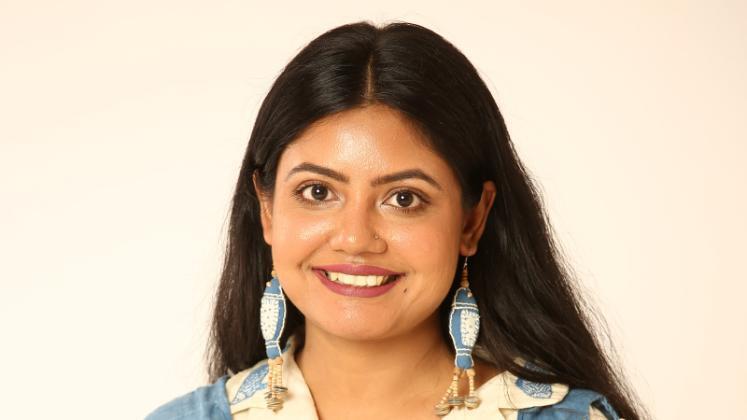
Working as agents of change, 10 years of Afsana Ferdousi’s inception have proved to be extremely positive as it has a customer base outside Bangladesh also and recently participated in the Colombo Fashion Week. But at the same time, it has faced a lot of challenges too.
“One big hurdle is that many people still prefer cheaper, fast-fashion items over sustainable ones because they don’t always understand why sustainable clothes cost more,” says Afsana Ferdousi, Founder of the brand. She further adds that another challenge is making sure the brand’s artisans keep learning new techniques. Sometimes they resist change, so the brand invests in training to help them stay updated and keep its designs fresh and innovative.
The brand is also facing difficulties in finding investors who understand and support sustainability in the Bangladesh market. “Some investors care more about quick profits than long-term sustainability. We look for investors who share our values and understand the importance of ethical and eco-friendly practices,” Afsana says. Despite these challenges, Afsana is upbeat about further growth.
Growing Presence
| Brand/retailers | Stores |
| Dorjibari | 40+ |
| Mens World | 37 |
| Richman (lubnan trade consortium) |
30 |
| Sailor | 21 |
| Vogue by prince | 20 |
| Ecstasy | 20 |
| Easy Fashion | 17 |
| Kaykraft | 16 |
| Freeland | 10 |
| Klubhaus | 6 |
What more needs to be done
A limited number of festivals and equally limited tourists in the country are the factors hindering the growth of the Bangladeshi apparel market. Eid, Boishakh, Durga Puja are the major festivals that contribute 60 per cent of the total sales of the country. There are some the brands/stores offering extra discounts to overseas tourists on shopping and this has proven to be a fruitful strategy for them as they are comparatively more successful in attracting tourists than other brands/stores.
Brand owners accept that there is still enough scope to adopt the latest technologies, be it demand forecasting, a more engaging store experience, last-mile delivery data analysis, or overall monitoring.
Agreeing with this, Shah Rayeed shares that his company has increased its thrust on technology because of its capable backend team which is working hard on data analysis and other tech areas. With ERP, the brand tracks real-time selling links. Initially, his brand didn’t invest in a website and an online presence, but he soon realised people’s interest in these domains and now the brand is present online and is also attracting international customers.
| Numbers speakUS $ 4.75 billion Size of women’s apparel market, largest in apparel retail segmentUS $ 60.23 Per person revenue in Bangladesh 7.2 pieces |
Faheem echoes similar views saying that Bangladesh remains far behind other countries in terms of imbibing retail technology, mainly because of a resource crunch.
Rise has made an effort to invest in e-commerce from the start of its journey and is still growing modestly in e-commerce but Faheem strongly feels that the majority of Bangladeshi people still genuinely prefer to purchase clothing from physical stores.
With roots set in the rich heritage of Bangladesh, Sadakalo is a brand with a unique concept that features designer clothing only in the monochrome colours of Black and White.
This more than 21-year-old brand is known for its traditional as well as Western wear and it is striving to ensure a positive experience and offering a diverse range of products to meet the needs of its customers. “The brand focusing on e-commerce, strives to ensure that its website’s every detail and virtual appearance provide a good experience to its consumers,” says Syed Md Azharul, MD, Sadakalo.
It is pertinent to mention here that the fashion e-commerce market (including apparel, footwear, bags and accessories) of the country is currently around US $ 2 billion which accounts for almost 19 per cent of the total e-commerce market, expected to be US $ 4 billion by 2028.
A few of the leading brands need to focus on information sharing for online customers as Apparel Resources found that these brands do not even reveal what type of fabric is being used in the garments. This is highly disappointing for young and aspirational customers.