Political unrest in Bangladesh has led to significant disruptions in the country’s vital garment sector, forcing multiple factories to suspend operations in key industrial zones, industry sources report.
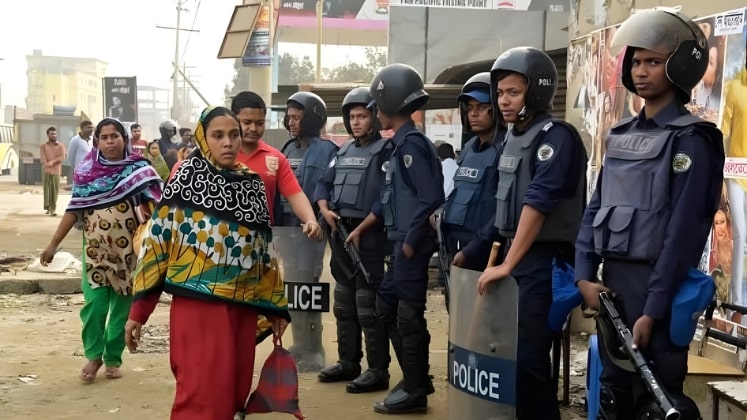
Civil unrest flared following the deaths of a prominent youth protest leader and a minority garment worker, exacerbating an already volatile political and security environment in the country. As a result, a number of garment factories in industrial hubs including Gazipur, Savar and Narayanganj have reportedly halted production, with managements citing concerns over worker safety, transport disruptions and rising insecurity as the primary factors behind the shutdowns.
The suspensions have raised fresh concerns about continuity of supply for international apparel buyers that depend on Bangladesh’s garment exports, which form a major part of the global clothing supply chain.
The garment sector accounts for a substantial share of Bangladesh’s export earnings and employment. The current unrest and resulting closures could therefore have wider economic implications beyond production delays, particularly if disruptions persist or escalate.
In addition to production halts, safety fears prompted some industry bodies to advise temporary factory closures around strategic areas. For instance, the Bangladesh Garment Manufacturers and Exporters Association (BGMEA) has recommended that factories in areas surrounding Hazrat Shahjalal International Airport and Dhaka’s industrial districts remain closed on 25th December amid expectations of large public gatherings linked to the return of a senior political figure.
Analysts say the unrest underscores ongoing political instability in Bangladesh and its potential to impact the nation’s garment industry, which is a key driver of economic growth and employment. Continued disruption could prompt buyers and investors to reassess sourcing strategies if supply remains uncertain.