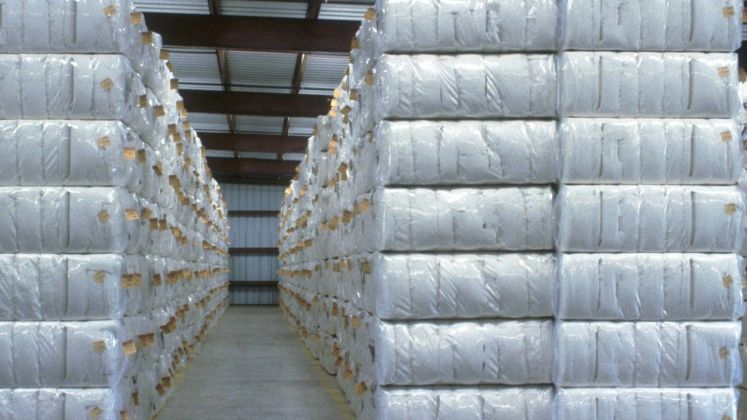
Bangladesh’s cotton and yarn imports witnessed a sharp decline in the first nine months of 2023, primarily due to reduced global and local demand, inconsistent gas supply, and the ongoing crisis related to the US dollar, which has collectively burdened textile mills.
According to data from the Bangladesh Textile Mills Association (BTMA), the country’s cotton imports for yarn production fell by 28 per cent year-on-year to 9.87 lakh tonnes from January to September.
In the corresponding period the previous year, businesses had imported 13.66 lakh tonnes of cotton.
Similarly, yarn imports also decreased by 26 per cent, dropping to 6.29 lakh tonnes in the first nine months of the year compared to 8.51 lakh tonnes in the same period the previous year.
This decline in cotton and yarn imports by textile mills comes at a time when the export receipts of the readymade garment industry, responsible for more than 80 per cent of the country’s external earnings, have slowed.
In October, garment shipments decreased by 14 per cent year-on-year. Despite this, the overall earnings from the apparel sector grew by nearly 6 per cent to US $ 38.7 billion from January to October.
In the same period in 2022, it was US $ 36.6 billion, according to the Bangladesh Garment Manufacturers and Exporters Association.
A Matin Chowdhury, the Managing Director of New Asia Group, a vertically integrated apparel manufacturing entity, attributed the 25 to 30 per cent drop in demand to slowing global demand and disruptions in production caused by erratic gas supply.
He also noted that local demand has decreased due to the current economic conditions.





 Bharat Tex Special Report 2026