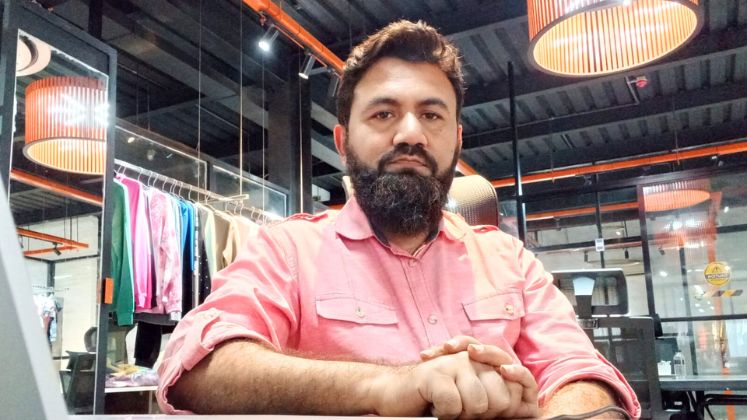
The apparel industry is in a constant state of evolution and its long-term success hinges on innovation and adaptation. Amongst the notable companies trying to make strides in this competitive environment is Mars-Tex, founded in 2023 by seasoned executive Rezaul Karim Khan, also known as Reza. With a clear vision rooted in sustainable practices and diverse operations, Mars-Tex is moving towards making a significant move in the apparel industry.
Strategic diversification
The company is amongst some of the RMG exporters of the country which specialise in both knitted and woven products, operating a knitting factory with a monthly production capacity of 150,000 pieces and two associated woven factories capable of producing 800,000 pieces per month, along with two additional associated knit factories boasting a capacity of 700,000 pieces. This robust manufacturing capacity allows Mars-Tex to meet high-volume orders across various product categories efficiently. Understanding the benefits of both knit and woven fabrics, it blends flexibility and diversity.
As Reza noted, “We specialise in woven, knitwear and denim products, with a focus on high-quality manufacturing and timely delivery. The classic appeal of our denim range underscores our dedication to quality and trendsetting designs.”
Benefits of offering both knitted and woven products
By catering to both knitted and woven product segments, Mars-Tex has significantly enhanced its versatility and broadened its appeal to a diverse clientele. This dual capability allows it to attract a wide range of buyers and seamlessly adapt to varying fashion trends, thereby strengthening its position in the competitive market. As Reza aptly states, “Diversity in our product offerings is not just about range; it’s about understanding and meeting the evolving needs of our customers.” Currently, its knitted products make up 50 per cent of the collection, featuring items such as T-shirts, polos, sweatshirts, hoodies, leggings, joggers and sweaters, catering to both casual and sportswear markets. In contrast, its woven offerings, which account for 10 per cent of the line, include shirts, trousers, jackets, outerwear and dresses, suitable for both formal and casual occasions. Additionally, its denim products, which represent 20 per cent of the portfolio, consist of a variety of jeans, jackets and shorts, further diversifying the company’s offerings and enhancing market attractiveness.
Tech-enabled product development
The export house distinguishes itself through a dedicated product development (PD) team composed of four professionals, including a PD specialist, a designer, an R&D expert and a technician. This team’s approach involves utilising advanced software tools like CLO 3D for virtual sampling, which reduces material waste and speeds up the design process, as well as Adobe Illustrator and Photoshop for design creation. To stay ahead of fashion trends, they leverage forecasting tools such as WGSN and Pantone Connect, ensuring that their collections align with emerging consumer preferences. Reza emphasises the importance of sustainable practices within product development. “Our focus on eco-friendly materials and durable designs not only meets consumer demand but also reflects our commitment to responsible manufacturing,” he says.
| The company is amongst some of the RMG exporters which specialise in both knitted and woven products, operating a knitting factory with a monthly production capacity of 150,000 pieces and two associated woven factories producing 800,000 pieces per month. |
Sustainability practices
The company prioritises sustainability in its production processes and uses GOTS-certified organic cotton and GRS-certified recycled polyester, combined with low-impact dyeing methods that conserve resources. The integration of waste reduction practices such as recycling fabric scraps, enhances its commitment to circularity. Energy efficiency measures, including renewable energy sources, further demonstrate their dedication to minimising environmental impact. This comprehensive approach not only aligns with global sustainability trends but also enhances the company’s reputation among eco-conscious consumers.

Proactive risk management
Navigating the complexities of a global landscape requires robust risk management strategies. Mars-Tex employs several proactive measures, such as diversifying its supply chain to mitigate dependency and conducting rigorous quality assurance checks to maintain product standards. Realtime monitoring of production stages helps address bottlenecks, while regular employee training empowers the team to handle unexpected challenges effectively. Comprehensive contingency planning prepares the company for disruptions across supply, equipment and transport, ensuring consistent performance.
By leveraging advanced technology for design, production and supply chain management, Mars-Tex aims to enhance product quality and operational efficiency. “Real-time monitoring will play a crucial role in maintaining high standards across all our operations,” he concludes.
Looking ahead, Mars-Tex has ambitious plans for growth, particularly in emerging markets like India and Australia. Reza acknowledges the necessity of continued product diversification, stating, “Adapting to new market demands is vital, ensuring we remain aligned with evolving consumer expectations.”